
Top Rated Products for Lawn Sprinkler Installation Success
Choose from highly recommended products that support a smooth installation process and long-term system performance.
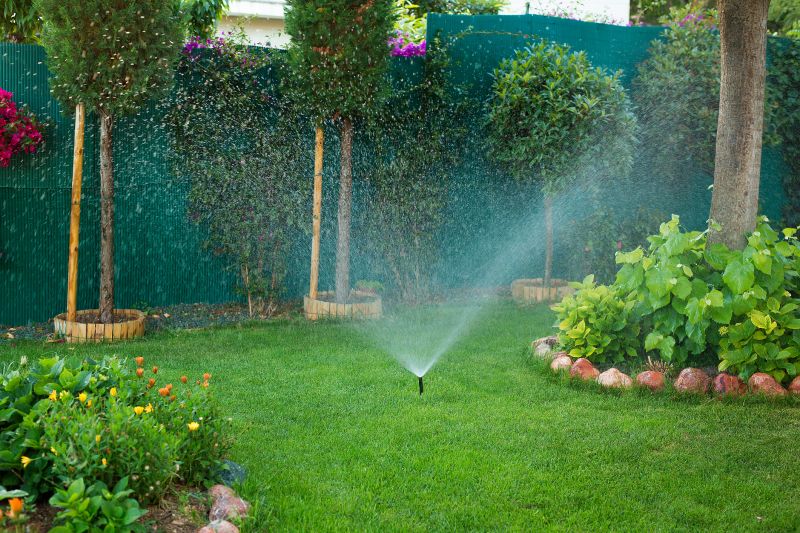 Setting up an effective lawn sprinkler system involves selecting the right components to ensure even and reliable watering. From underground piping to spray heads, each element plays a crucial role in maintaining a healthy, lush lawn. Proper installation can help optimize water distribution, reduce waste, and simplify maintenance. Whether you're a DIY enthusiast or working with a professional, understanding the variety of products available can make the process smoother and more efficient.
Top Overall Option
Comprehensive Lawn Irrigation Kit
A versatile and complete sprinkler system kit that includes a variety of fittings, spray heads, and controllers designed for easy installation and reliable operation. It offers flexible configurations suitable for different yard sizes and shapes, making it a popular choice for DIY projects. The kit emphasizes durability and straightforward setup, helping users create an efficient watering system tailored to their landscape.
Types of Products For Lawn Sprinkler Installations
Spray Nozzles
Adjustable spray nozzles provide targeted watering and are ideal for flower beds and small lawns. They come in various spray patterns and distances to suit different areas.
Pop-up Sprinkler Heads
Designed to retract when not in use, these heads are suitable for lawns and turf areas, offering consistent coverage and minimal obstruction.
Rotor Heads
Rotating sprinkler heads that cover large areas with a circular spray pattern, often used in expansive lawns or fields.
Underground Pipe Fittings
Connects and directs water flow through underground piping, ensuring a secure and leak-proof installation.
Tubing and Pipe
Flexible and durable piping options designed for underground installation to distribute water across the landscape.
Automatic Controllers
Programmable timers that automate watering schedules, allowing for consistent irrigation without manual intervention.
Manual Shut-off Valves
Valves used to control water flow manually, useful for maintenance or seasonal adjustments.
Backflow Preventers
Devices that prevent contaminated water from flowing back into the main water supply, ensuring system safety.
Soaker Hoses
Porous hoses that allow water to seep slowly into the soil, ideal for garden beds and flower borders.
Rain Sensors
Devices that detect rainfall and automatically pause watering to conserve water and prevent overwatering.
Sprinkler Stakes and Bases
Supports and stabilizes sprinkler heads, ensuring proper positioning and coverage.
Hose End Connectors
Adapters that connect hoses to sprinkler heads or other irrigation components for quick setup and flexibility.
Filter Screens
Filters debris from water flow, preventing clogging and maintaining system efficiency.
Water Pressure Regulators
Devices that maintain consistent water pressure to sprinkler heads, ensuring uniform coverage.
Zone Valves
Control water flow to different sections or zones of the irrigation system for customized watering.
Popular Choices
Flexible nozzles that can be tailored to specific watering needs, often favored for their versatility.
Commonly used in lawns, these heads remain hidden when not in use, providing an unobstructed appearance.
Popular for covering large areas efficiently with rotating streams of water.
Highly sought-after for automating watering schedules and ensuring consistent irrigation routines.
Complete piping kits designed for straightforward installation and reliable water delivery.
Essential for system safety, preventing water contamination from backflow.
Devices that help optimize water usage by detecting rainfall and adjusting watering schedules automatically.
Ideal for garden beds, these hoses deliver water directly to the soil at a slow rate.
Allow for independent control of different areas within the irrigation system for customized watering.
Facilitate quick and secure connections between hoses and sprinkler components.
Help maintain system efficiency by filtering out debris and preventing clogs.
Ensure consistent water pressure for uniform spray coverage across zones.
Lawn sprinkler installation products range from basic hoses and connectors to sophisticated automatic systems with timers and sensors. Choosing the right products depends on factors such as yard size, layout complexity, and personal watering preferences. It is important to consider compatibility between components and the ease of integration into your existing landscape setup. Investing in quality parts can lead to better performance and durability over time.
Installation often involves trenching and laying underground pipes, which require durable tubing and fittings designed to withstand soil conditions. Sprinkler heads come in various styles, including stationary, rotating, and pop-up types, each suited for different coverage needs. Automatic controllers and timers can add convenience by scheduling watering times, but they should be selected based on features like programmability and ease of use. Proper planning and product selection are key to creating an efficient and reliable sprinkler system tailored to your lawn's specific requirements.
Key Buying Considerations
- Assess the size and shape of your lawn to determine the number and type of sprinkler heads needed.
- Consider the water pressure available in your system to select compatible components.
- Decide between manual and automatic controls based on your convenience preferences.
- Choose sprinkler heads that match the coverage area and spray pattern requirements.
- Ensure compatibility between piping, fittings, and sprinkler heads for seamless installation.
- Think about future expansion or modifications to your irrigation setup.
- Look for durable materials that can withstand soil conditions and frequent use.
- Evaluate ease of installation, especially if planning a DIY project.
- Select components with adjustable features for customized watering coverage.
- Consider system safety features such as backflow preventers to avoid contamination.
- Check for water-saving features like rain sensors and timers to optimize usage.
- Review product warranties and support options for long-term reliability.
- Plan the layout to minimize water wastage and avoid overspray onto walkways or structures.
- Factor in maintenance requirements and accessibility of components.
- Compare prices and features to find a balance between quality and budget.